March 2, 2026
Step back in time to Long Beach, NY's sandy shores where Lenape tribes once roamed and elephants built the boardwalk. Relive the resort boom that drew 300,000 visitors in its first season.
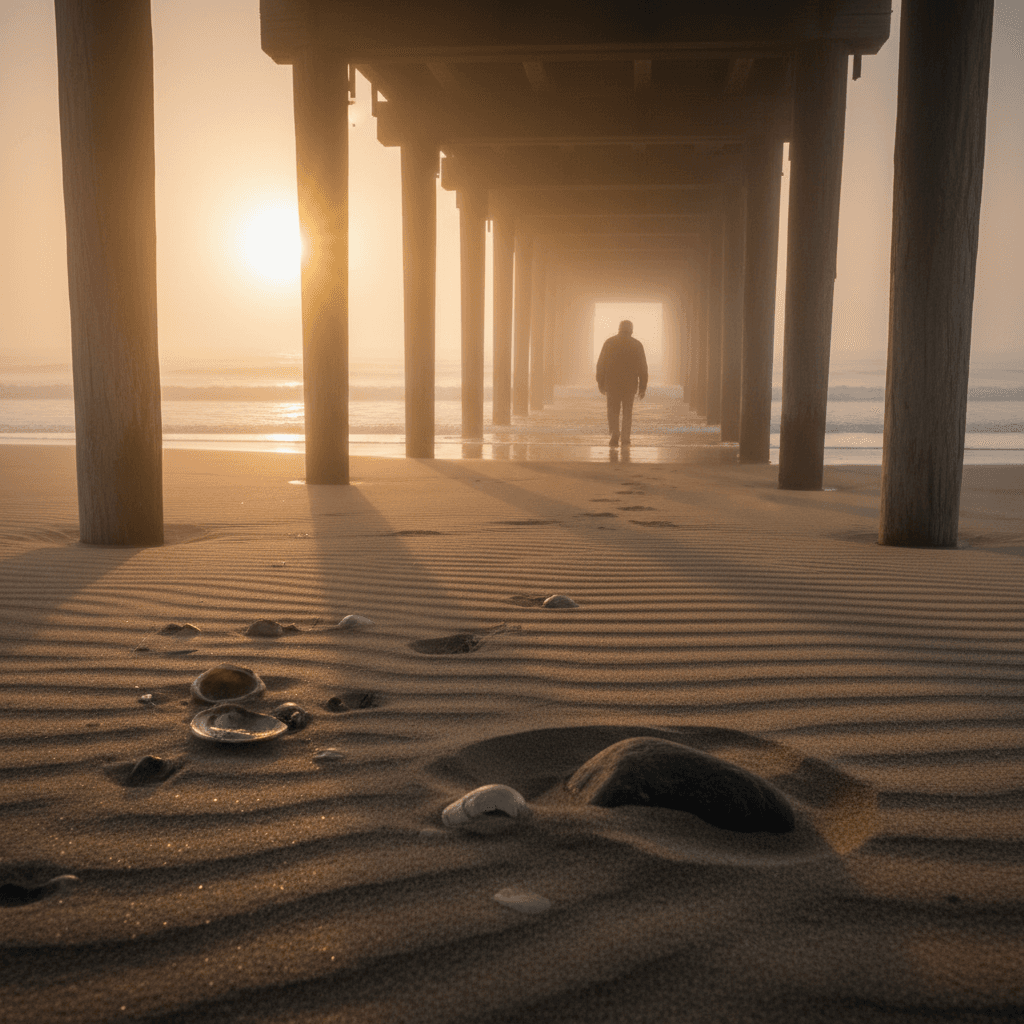
Long Beach history and nostalgia come alive as beachgoers stroll the iconic boardwalk this spring, just like they did over a century ago. With recent talks of boardwalk upgrades by the City of Long Beach echoing Austin Corbin's 1880 vision, locals are reminiscing about the barrier island's transformation from quiet fishing grounds to a vibrant resort haven.
Picture Long Beach before the crowds: the Algonquian-speaking **Lenape** people called these shores home, using the land for fishing and harvesting salt hay. English colonists bought the area in 1643, but no one lived there year-round for over 200 years.[3][4]
Tragedy struck early—in 1837, the barque *Mexico* ran aground off Long Beach with Irish immigrants aboard. Over 100 froze to death on the deck, a grim reminder of the island's wild past.[3]
Everything changed in 1880 when builder **Austin Corbin** partnered with the Long Island Rail Road (LIRR) to lay tracks from Lynbrook to Long Beach. He turned the island into a resort destination, building the **Long Beach Hotel** and cottages that welcomed nearly **300,000 visitors** in the first season alone.[4][5]
Walk **Lincoln Boulevard** today, where the **Brighton Hotel** (now Aqua) and **Ocean Crest Hotel** (now Hoffman Manor at Laurelton) once buzzed with New York City's elite. Corbin's LIRR line made day trips easy, sparking a boom that put Long Beach on the map.[5]
Enter **William H. Reynolds** in 1906, the real estate whiz behind Brooklyn hotspots like Bedford-Stuyvesant and Coney Island's Dreamland. He bought the oceanfront in 1907, dreaming of hotels, homes, and a grand boardwalk.[3]
For publicity, Reynolds marched a herd of elephants from Dreamland to build the **Long Beach Boardwalk**—a stunt that drew crowds and headlines. By 1913, the community incorporated as a village, becoming a full city in **1922**, earning its motto: *Civitas ad mare* (City by the Sea).[3]
Stroll **Edwards Boulevard** now, named after tragic mayor **Louis F. Edwards**, shot in 1939 amid the city's rough Prohibition days. Bootleggers hid at the **Nassau Hotel**, raided by agents Izzy and Moe in 1923, while a 1931 beachcomber found drowned Starr Faithfull's body.[3][4]
In 1938, President **Franklin D. Roosevelt** rebuilt the boardwalk via the Works Progress Administration, adding jetties for protection. The **Nassau Hotel** served as a WWI military hospital before hosting cultural stars.[5]
Long Beach kept evolving. The boardwalk became a hub for fun, surviving storms and superstorms like Sandy. Today, families bike its length, grabbing ice cream at spots near **Pine Avenue** or enjoying views from **Hoffman Manor**. The city's ongoing revitalization continues with projects like JPI's Portico redevelopment, a 272-unit project at the former City Place site that signals fresh investment in Long Beach's future.
Practical tip: Visit the **Long Beach Historical Museum** on **West Beech Street** to see artifacts from Lenape times to Reynolds' era. Or walk the boardwalk from **California Avenue** to **Riverside Boulevard**, imagining 300,000 summer visitors.[3]
The city's spirit shines in its people—think of the thousands who rebuilt after storms, keeping alive the nostalgia of hotel heyday and elephant parades. With **seven miles of beach**, it's perfect for picnics at **Kennedy Plaza** or sunset watches off the pier.
Stats show the draw: Corbin's hotel season pulled those 300,000 guests, and Reynolds' developments housed Brooklyn escapees seeking sea air.[4][5] Real estate boomed as LIRR chugged in crowds from **Penn Station**. Curious how Long Beach's zoning decisions shape the city's future? The Long Beach Zoning Board's recent vote rescinding a key environmental impact decision is worth reading for context on how development continues to unfold.
From Lenape trails to boardwalk bikes, Long Beach blends history with everyday joy. Next time you're on **Park Avenue** grabbing coffee at a local spot like **Long Beach Diner**, chat with longtime residents—they've got stories of the hotel era and beyond.
Ready to dive deeper into Long Beach nostalgia? Check out more Long Island history stories on LI Daily and share your memories in the comments.