April 15, 2026 · Updated April 17, 2026
Peeko Oysters in New Suffolk lost over a million shellfish in February's deep freeze — and they're not alone. Suffolk County farmers are staring down $2.4 million in losses, and the USDA disaster declaration that could save them is still pending.
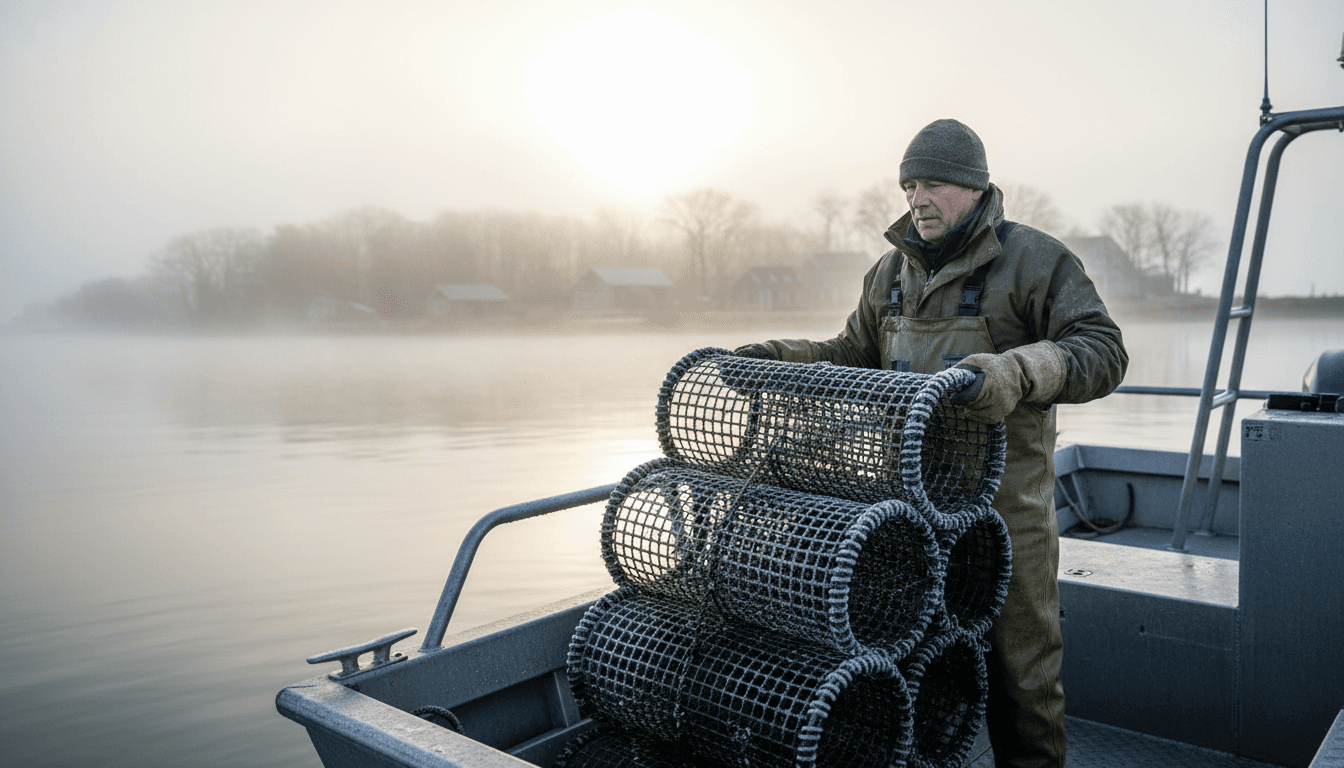
Suffolk County's oyster farming industry is reeling from catastrophic losses after a severe February 2026 winter freeze wiped out an estimated 30% or more of the region's shellfish crop. Peeko Oysters in New Suffolk alone lost over one million oysters — damages in the "high six figures, low seven figures." County-wide losses are estimated at $2.4 million, prompting Governor Kathy Hochul to formally request a USDA disaster declaration.
Across Suffolk County, oyster farmers lost roughly 30% of their entire crop in a matter of weeks. Peeko Oysters, one of the North Fork's most recognized shellfish operations, was among the hardest hit. The New Suffolk-based farm lost more than one million individual oysters. Across all of Suffolk County, the combined toll is estimated at $2.4 million in destroyed product.
Governor Hochul's request to the USDA for a federal disaster declaration is the most direct lifeline available to these farmers right now. If approved, it unlocks the USDA's Emergency Loan Program through the Farm Service Agency — low-interest loans that give farmers the capital to replace lost stock, cover operating expenses, and stay afloat while they rebuild.
North Fork oyster farming is a cornerstone of the East End's food economy and a direct feeder into some of Long Island's best restaurants. The timing compounds the pain. Spring is prime oyster season — the period when farms do a significant chunk of their annual revenue. There's also a longer-term environmental concern: a single adult oyster can filter up to 50 gallons of water per day.
Peeko Oysters operates out of New Suffolk, a small hamlet on the North Fork's western tip overlooking Cutchogue Harbor. Like most North Fork oyster operations, Peeko runs floating cage systems in the bay — a labor-intensive method where oysters are raised in mesh cages suspended at or near the water's surface.
The USDA disaster declaration request is pending. If approved, affected farmers will be able to apply for emergency loans through the Farm Service Agency. If you want to support North Fork oyster farmers directly, one of the most effective things you can do is buy local.