April 22, 2026 · Updated April 22, 2026
A new study found PFAS forever chemicals in every produce sample tested from Long Island farms, with carrots showing the highest levels.
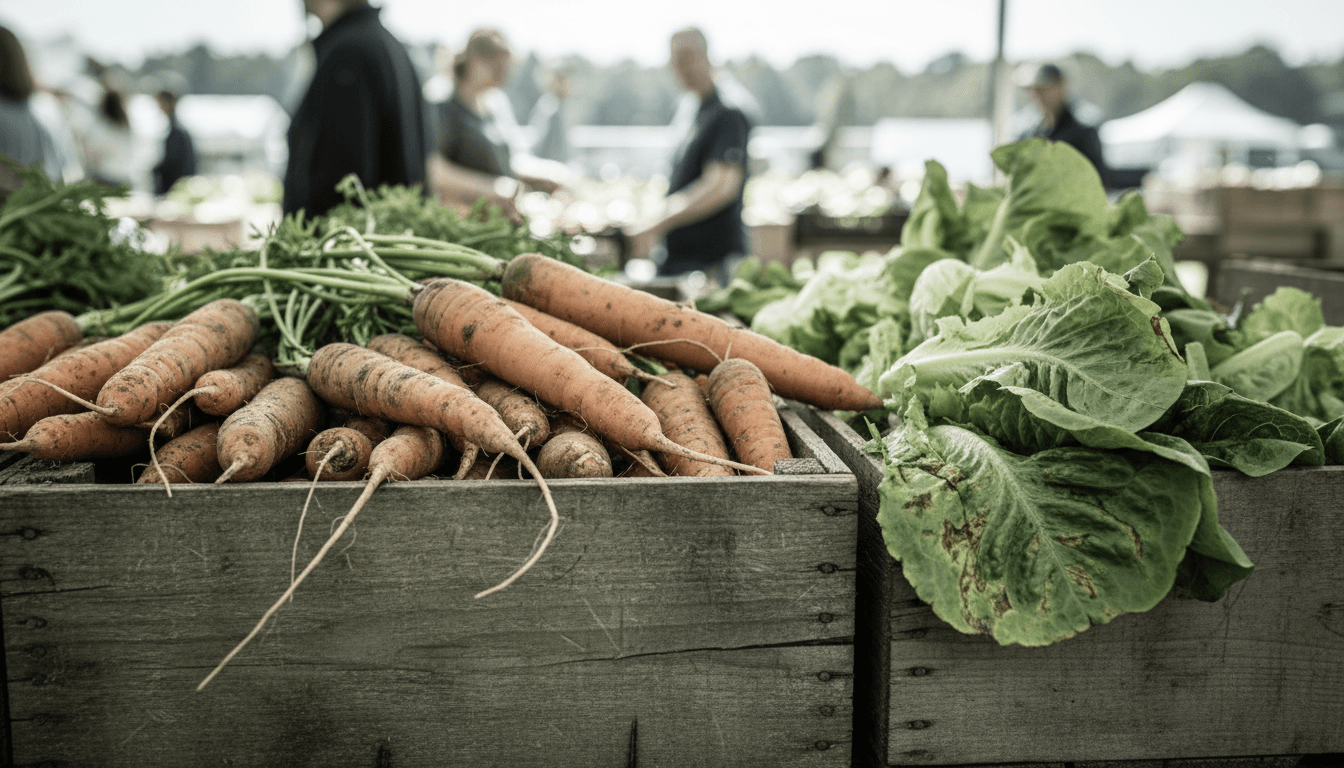
A new study has found toxic PFAS — the so-called "forever chemicals" — in every single produce sample tested from Long Island farms, raising serious questions about food safety for the millions of residents who shop at local farm stands each growing season.
Researchers tested 23 samples of carrots, romaine lettuce, Boston lettuce, and beets purchased from eight farms across the North and South Forks during the summer of 2025. Every sample contained detectable levels of per- and polyfluoroalkyl substances (PFAS).
Carrots showed the highest concentrations by a significant margin. According to the researchers, "PFAS and GenX in carrots was considerably higher than we saw in any of the other vegetables," a finding that is particularly concerning given how popular root vegetables are at Long Island farm stands.
PFAS have been used for decades in nonstick cookware, waterproof clothing, food packaging, and firefighting foam. Over time, these chemicals have leached into wastewater, septic systems, soil, and groundwater — and ultimately into the food chain.
Long Island is especially vulnerable because of its reliance on a sole-source aquifer for drinking water, which has already been the subject of extensive PFAS contamination litigation. The same contaminated groundwater that Suffolk County's agricultural and aquaculture industries depend on is now being absorbed by crops.
Studies have linked certain PFAS compounds to kidney and testicular cancer, thyroid disease, elevated cholesterol, obesity, inflammatory bowel disease, pregnancy complications, and developmental effects in children. The chemicals are called "forever chemicals" because they do not break down naturally in the environment.
Perhaps most alarming is that the United States currently lacks enforceable standards for PFAS levels in food. While the EPA has set advisories for PFAS in drinking water, there is no equivalent benchmark for produce, leaving consumers without clear guidance on what is safe to eat.
Experts recommend washing all produce thoroughly — though this will not eliminate PFAS entirely — and varying where you source your vegetables. Those concerned about exposure can also check whether their local water district publishes PFAS testing results.
As farmers markets begin opening across the island this spring, this study adds a complicated layer to the buy-local conversation. Supporting local agriculture remains important, but so does pushing for stronger testing and regulation.
New York State legislators have introduced several bills targeting PFAS in agriculture, but none have advanced to a vote as of April 2026.